A building where children's voices can be heard
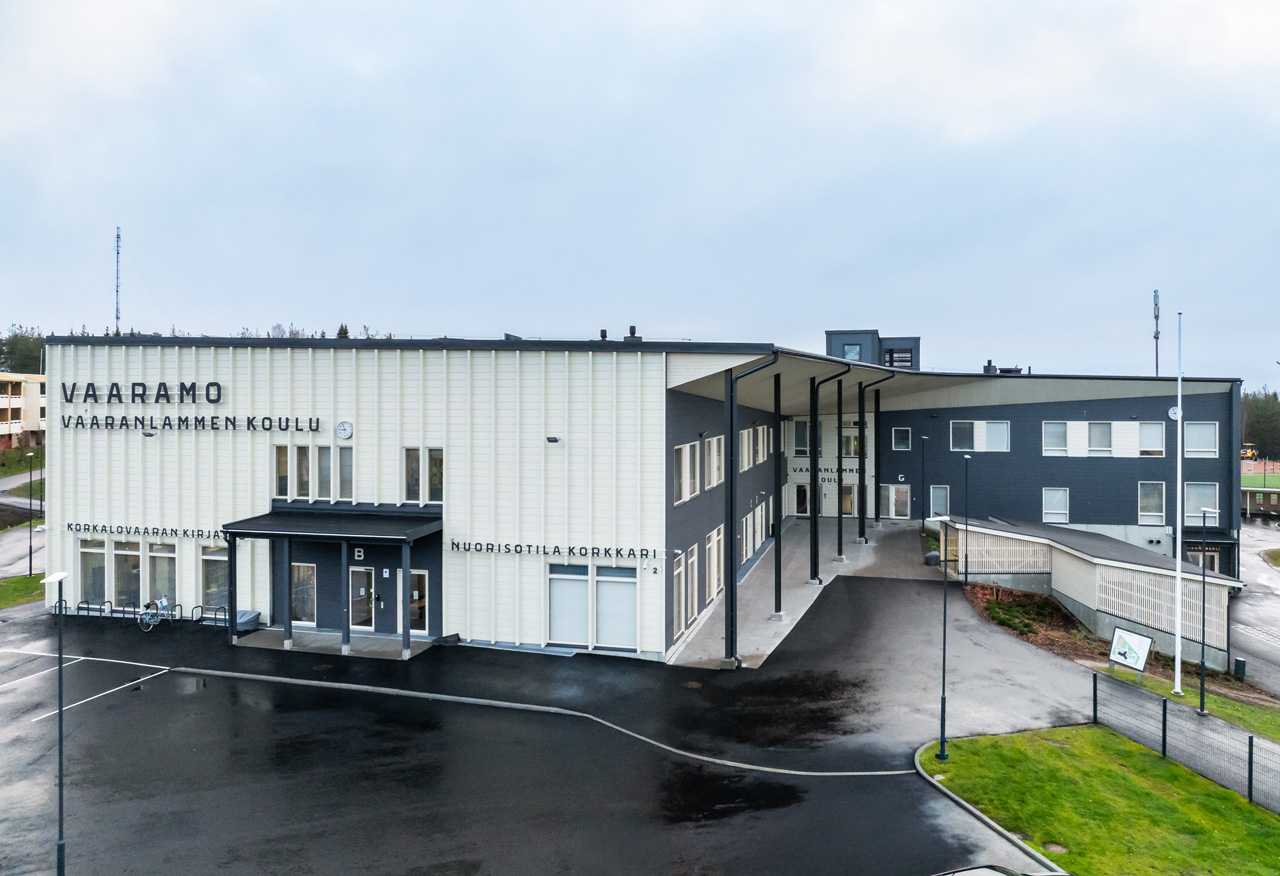
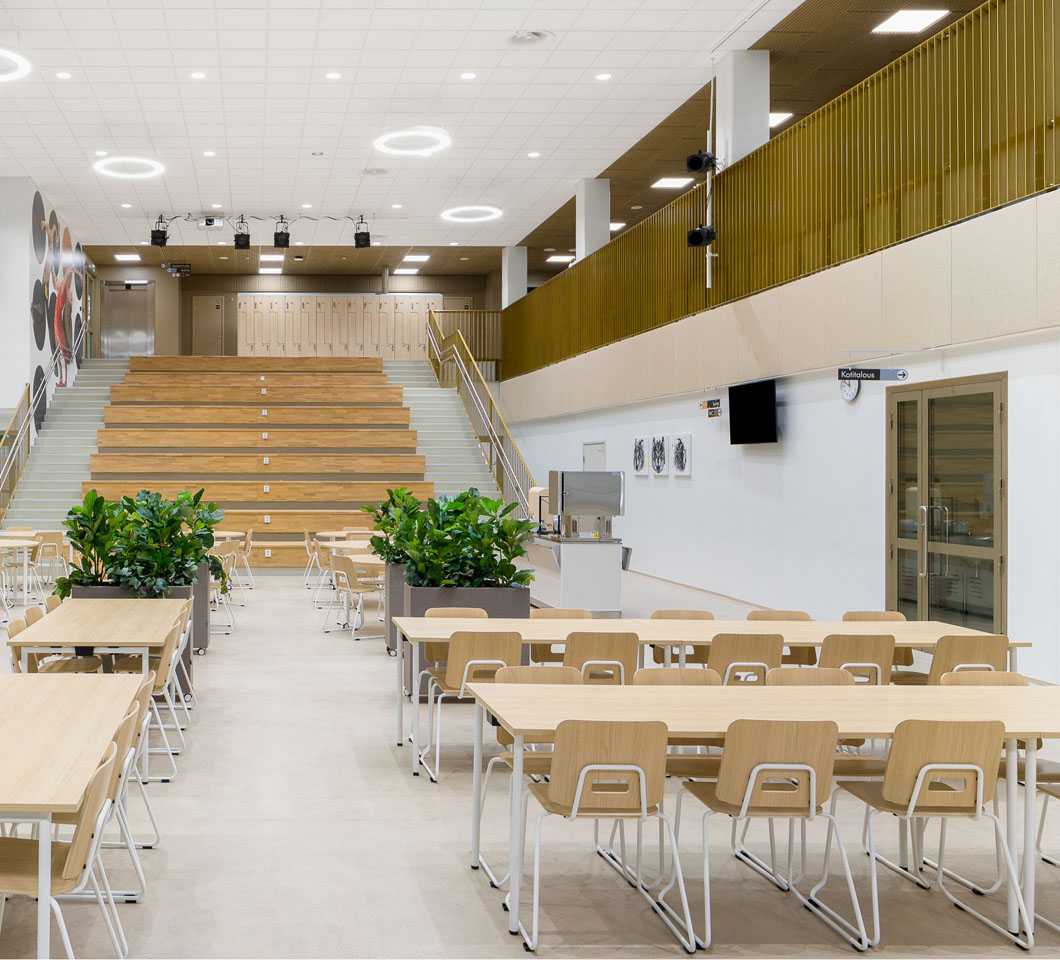
Vaaranlampi School in Rovaniemi is an elementary school with grades 1–6. The school also has an after-school club. The school has approximately 300 students and employs around 40 professionals.
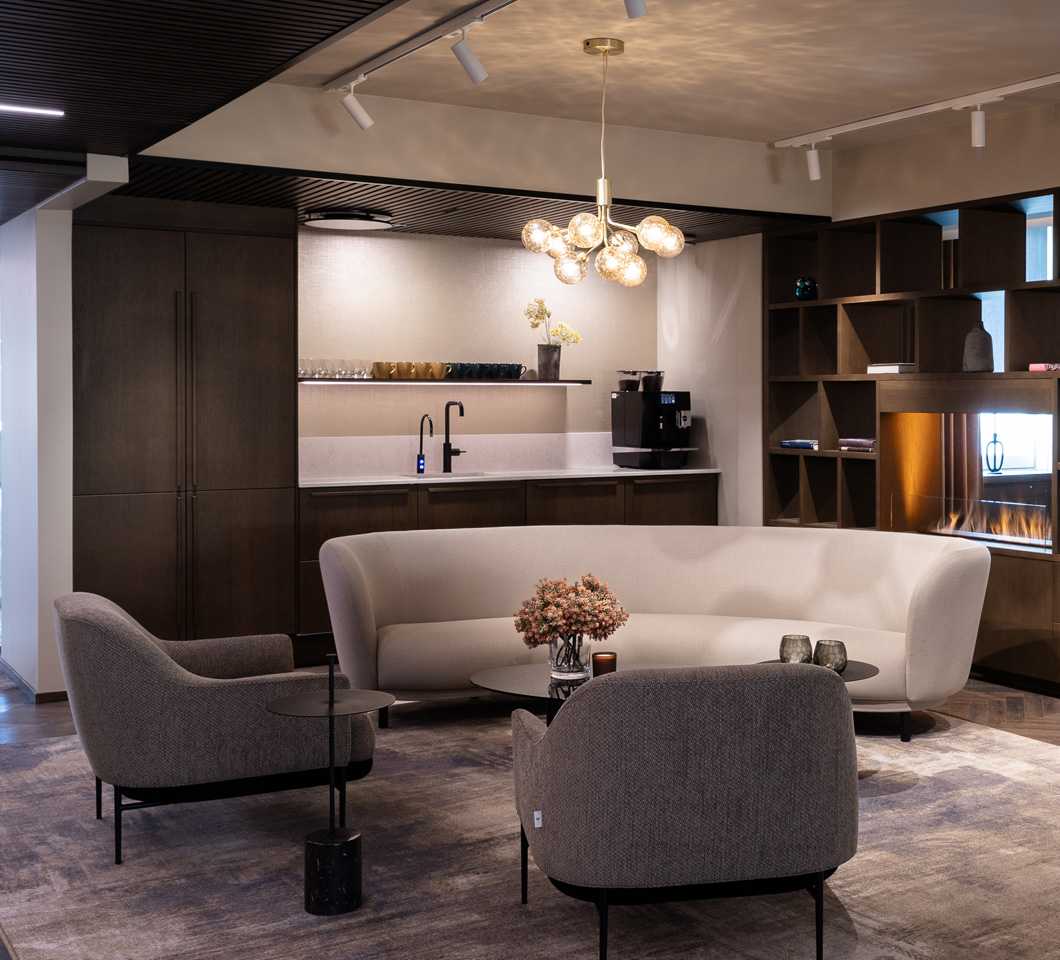
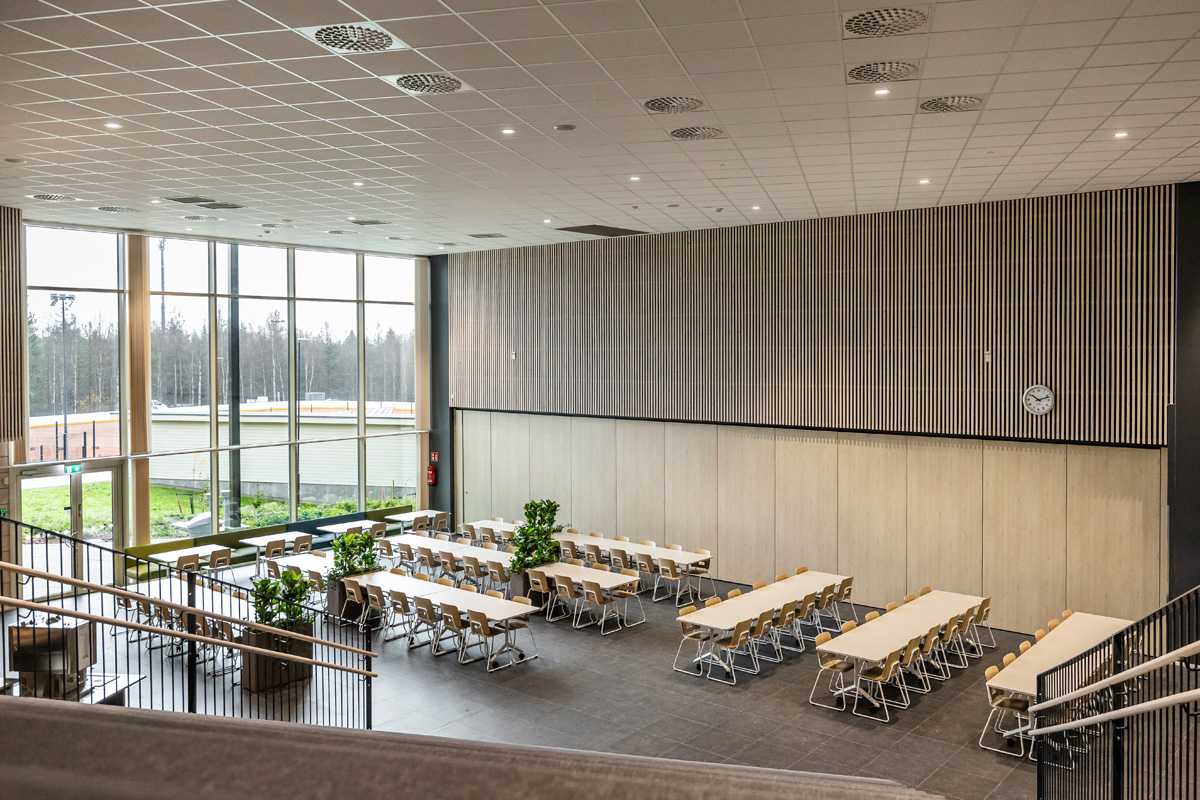
The starting point for the design of the school was the idea of a peaceful, safe, and flexible environment—a place where well-being, a relaxed pace, and support for learning are reflected in everyday solutions.
A long wait for healthy and safe facilities
The old school building at Vaaranlampi School, built in the 1970s, was taken out of use in 2017 due to indoor air quality problems. After that, the school continued to operate in temporary premises for several years.
The goal for the new school was clear: to create healthy, safe, and permanent facilities that support diverse learning and take into account the needs of special needs students in particular. Light, tranquility, adaptability, and easy maintenance emerged as key themes. The school was designed to be a shoe-free environment, and well-being and a relaxed pace were placed at the heart of the operating culture.
Working together as the starting point for design
Martela was involved in the project from an early stage. The set of furniture was implemented through an pre-tendering process, which Martela won.
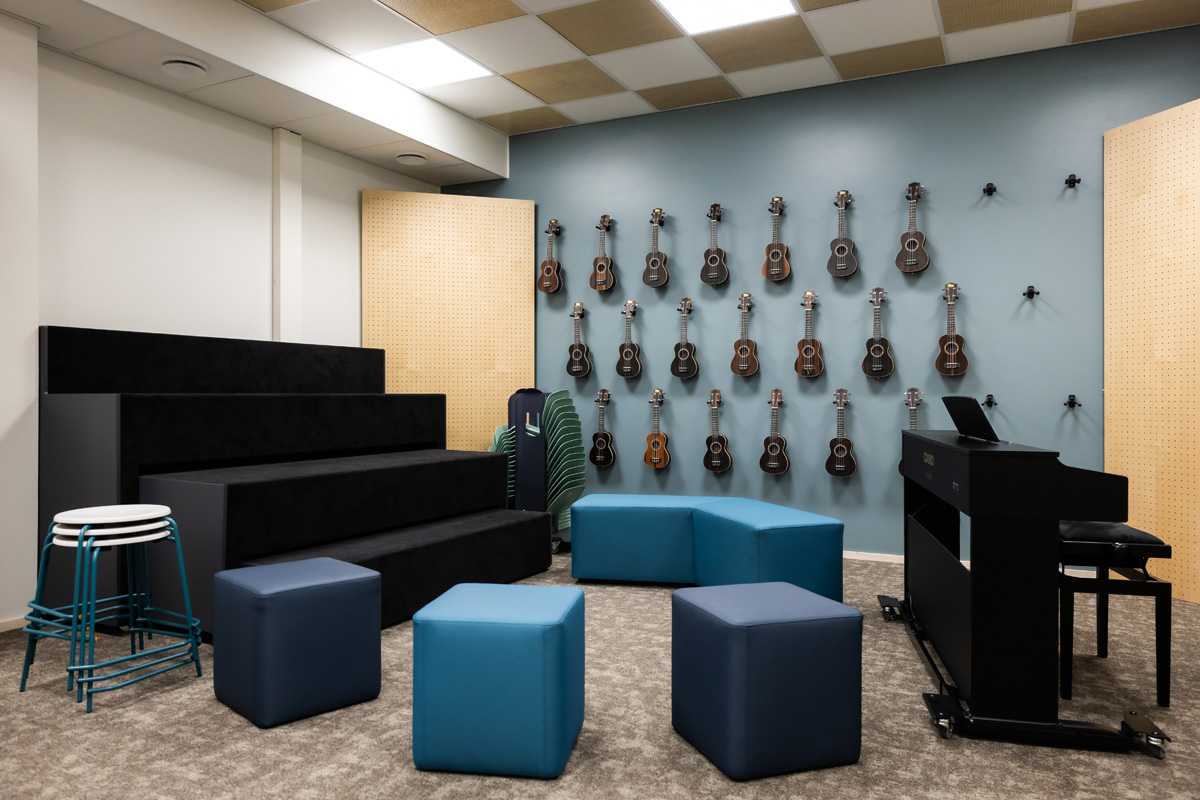
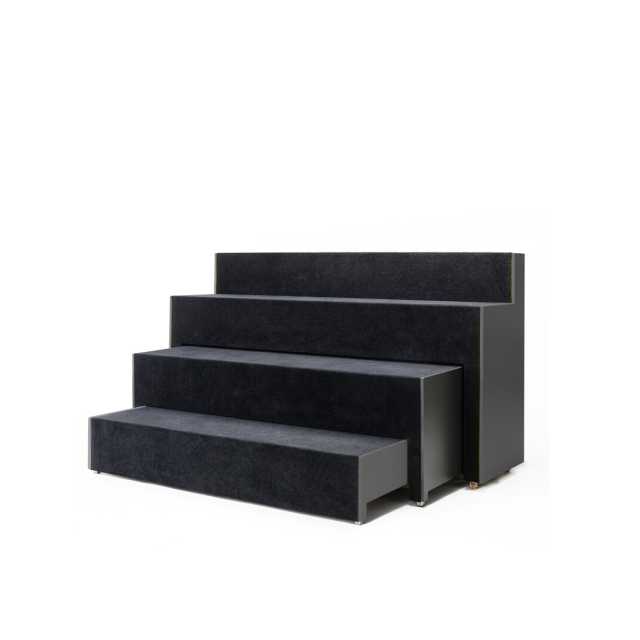
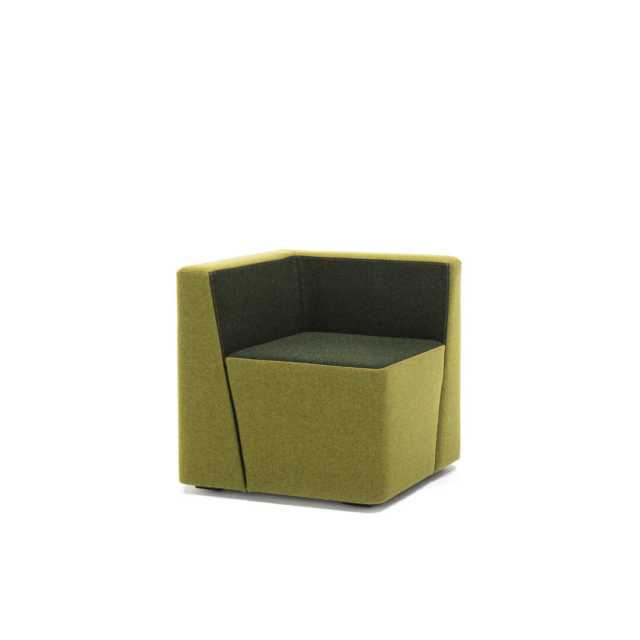
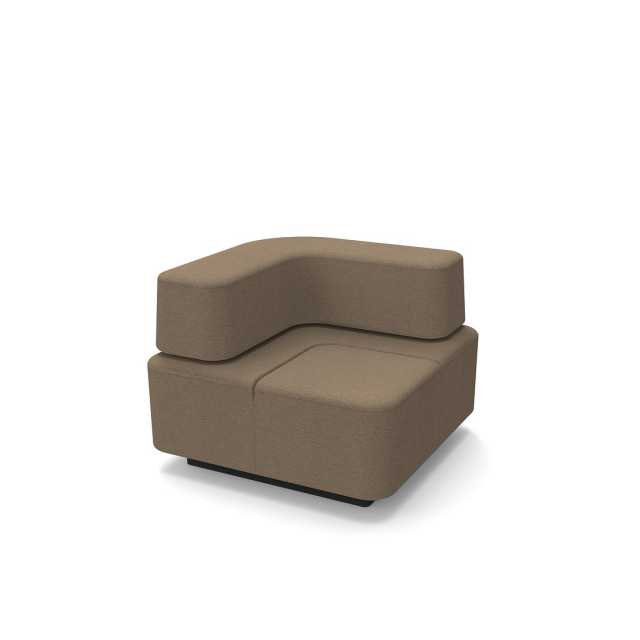
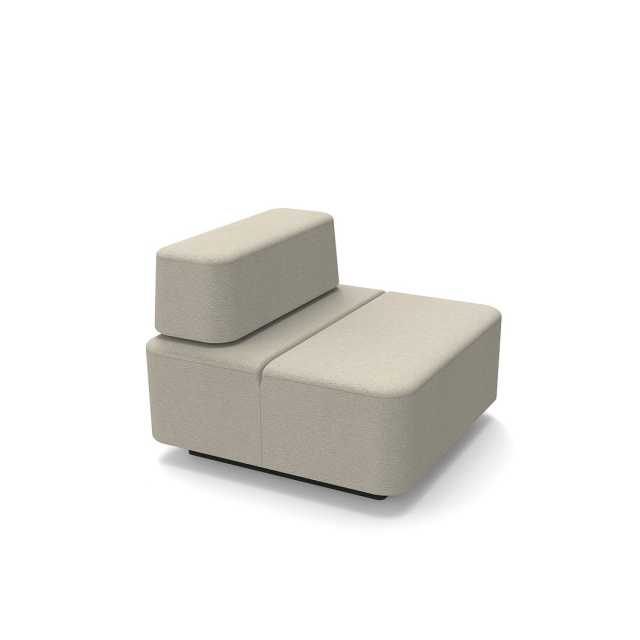
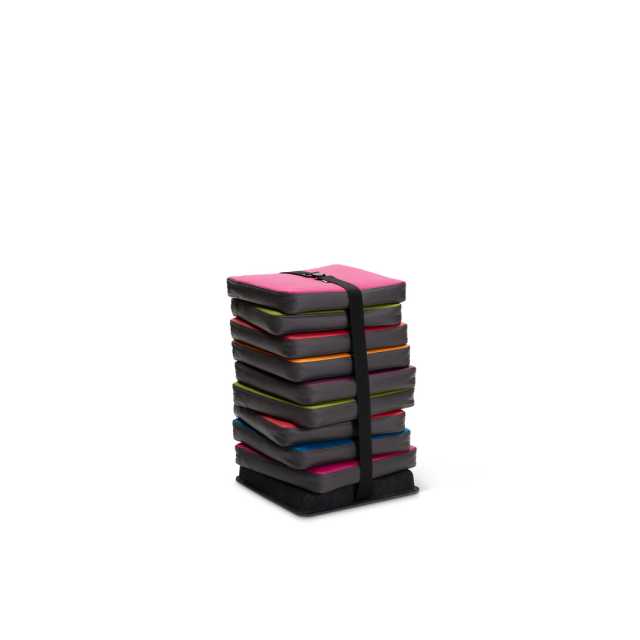
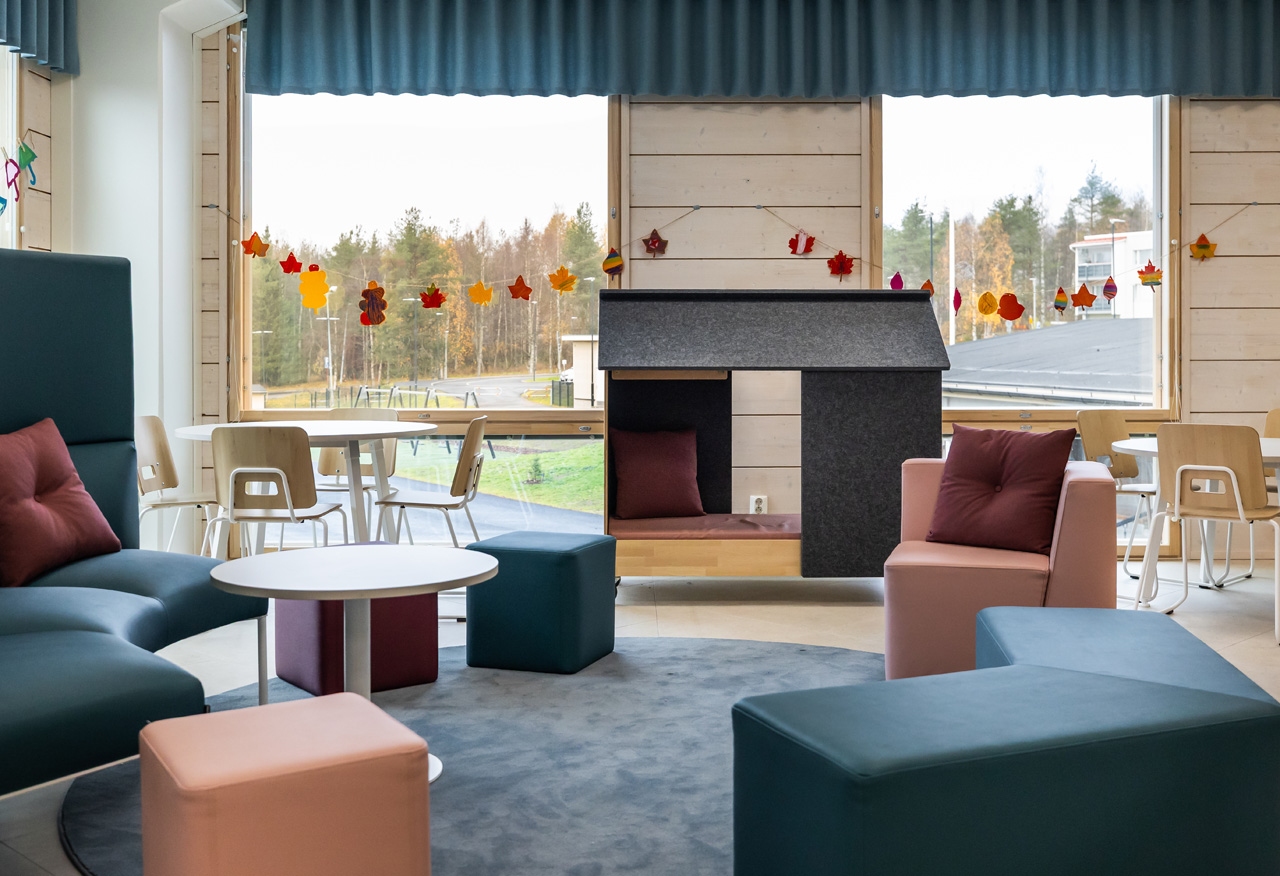
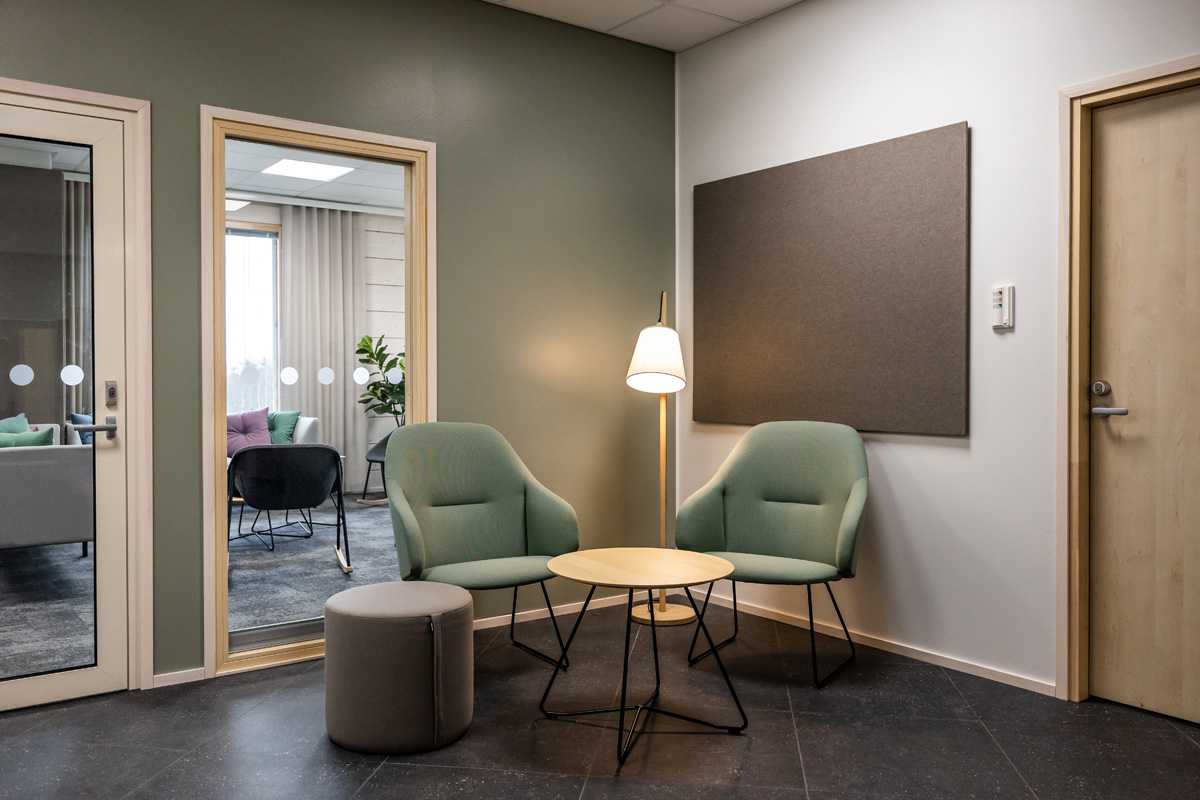
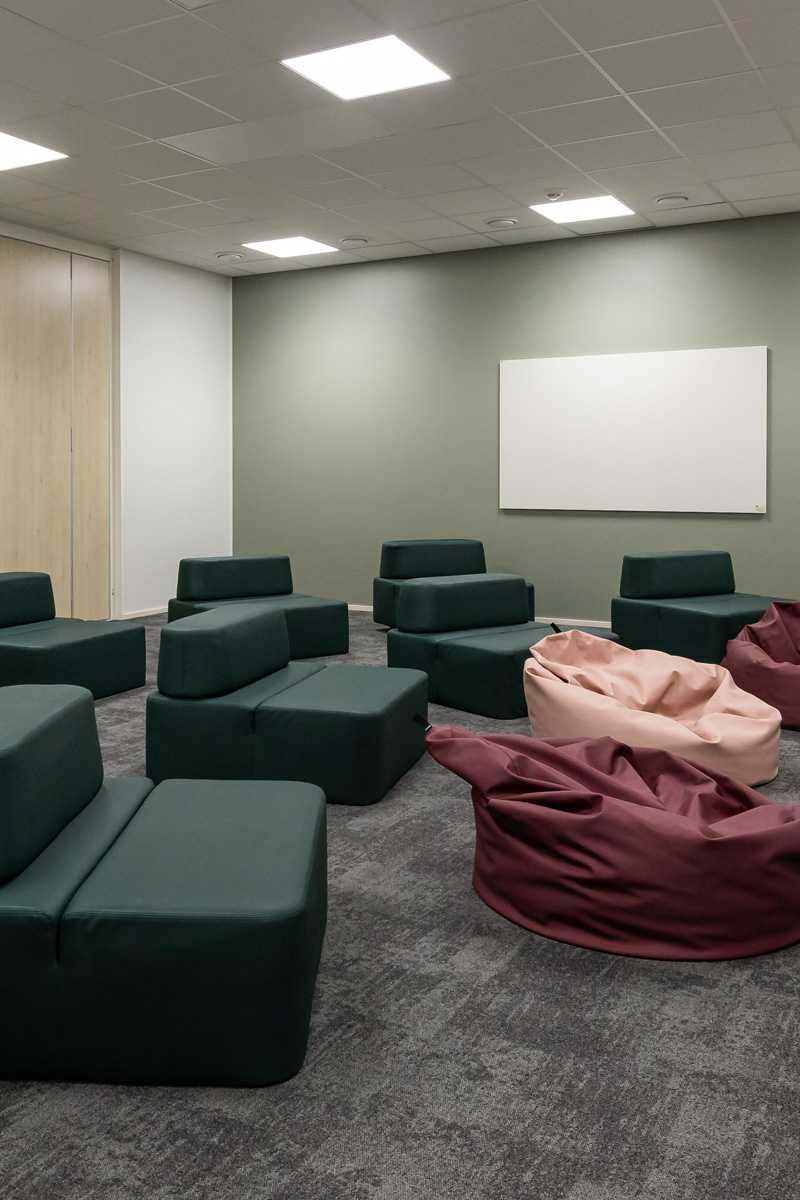
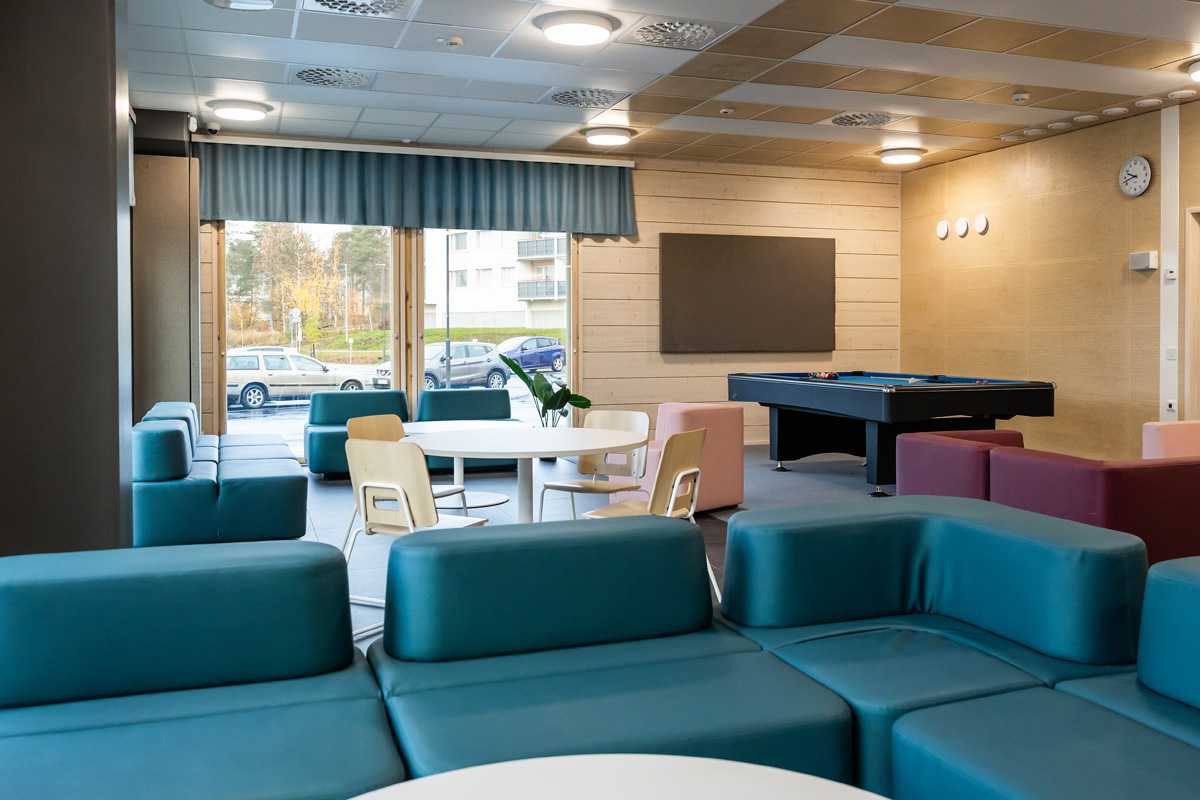
The design was truly a collaborative effort. Teachers, staff, and above all, children participated in workshops and surveys to identify everyday needs and wishes. The children's wishes resulted in, among other things, beanbag chairs, quiet corners, and easily adaptable space solutions.
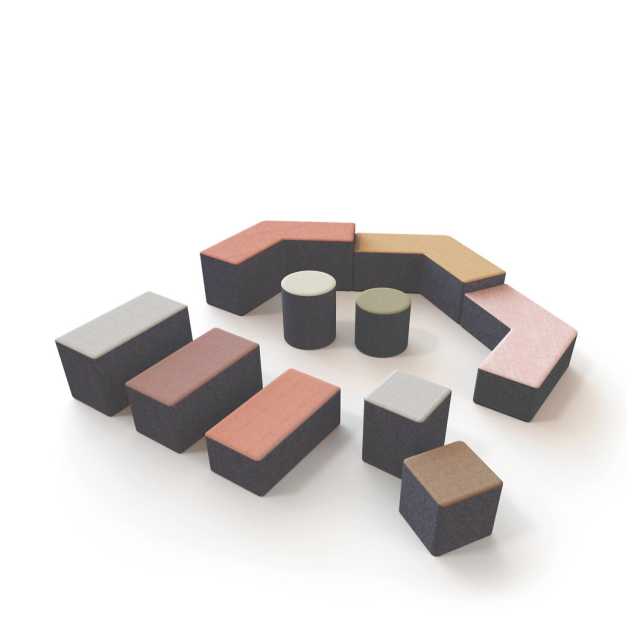
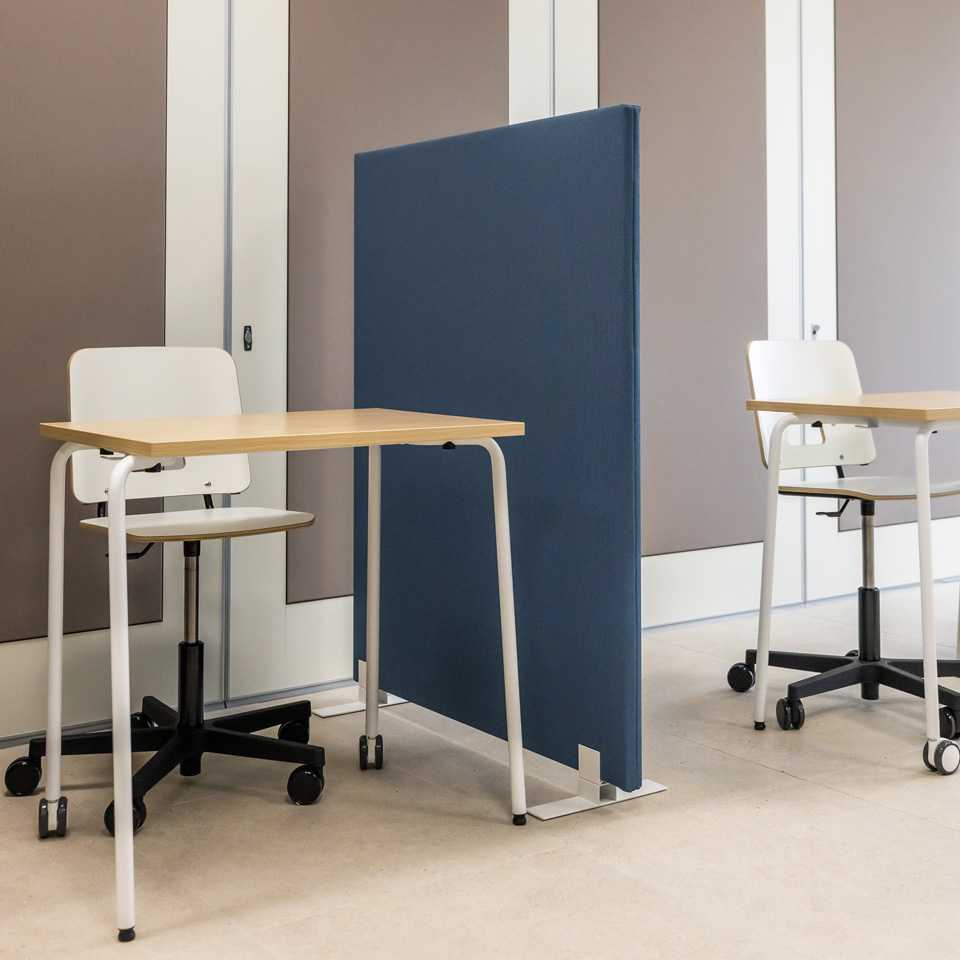
The space planning took particular account of the school's extensive special and simultaneous teaching. Based on the workshops, the teachers' workspaces were converted into separate rooms, and Martela's furniture solutions were used to build new, functional learning environments from the storage rooms.
Adaptability that lives in everyday life
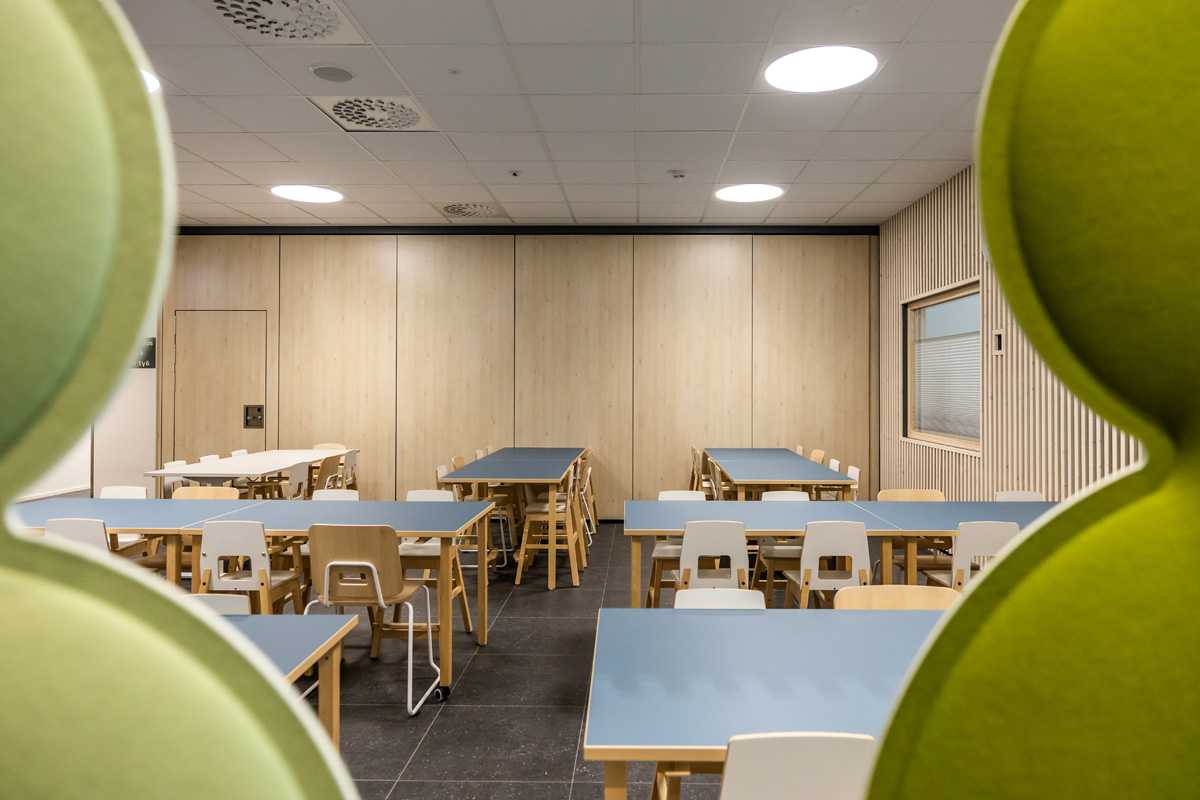
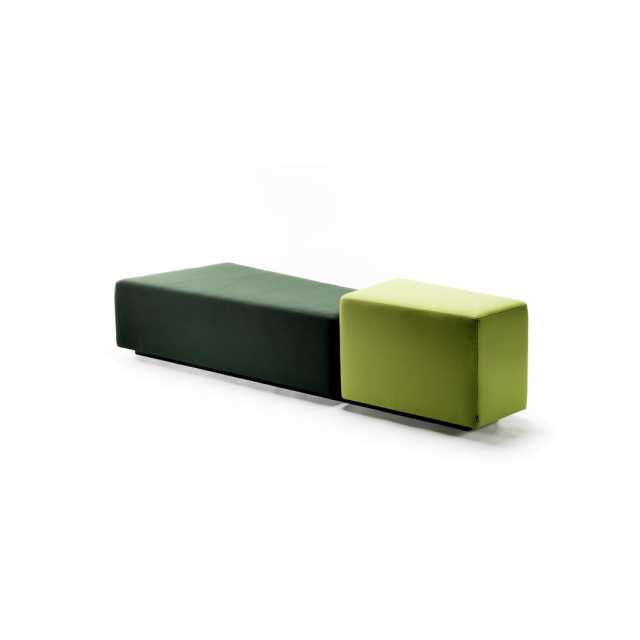
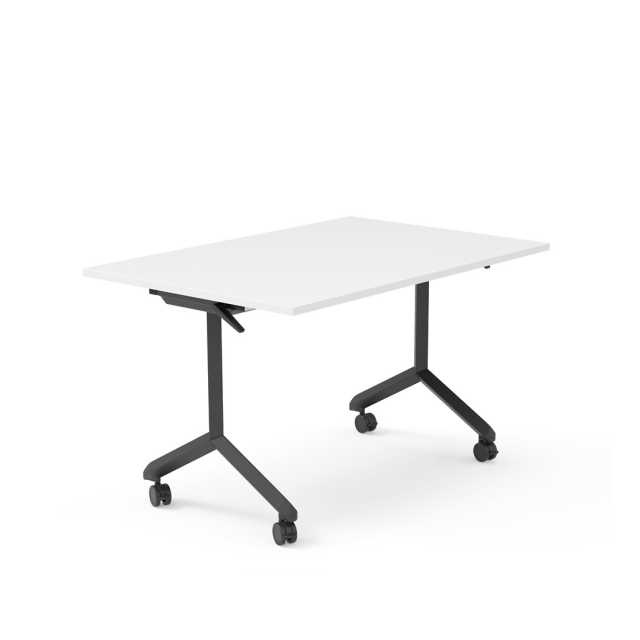
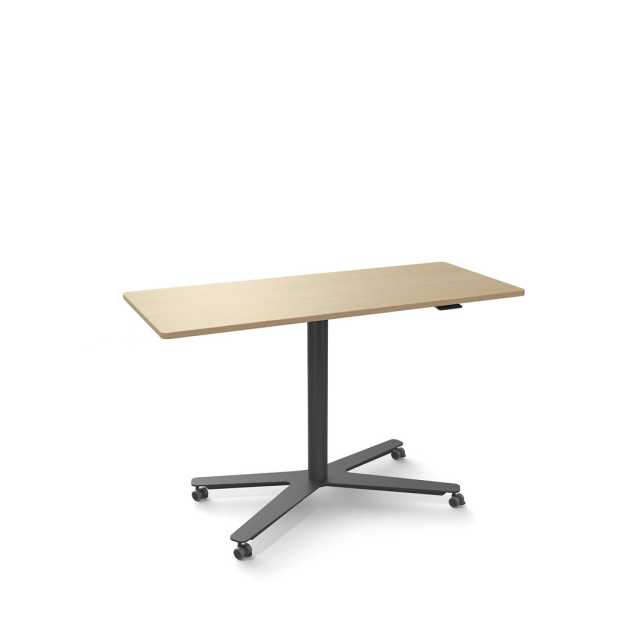
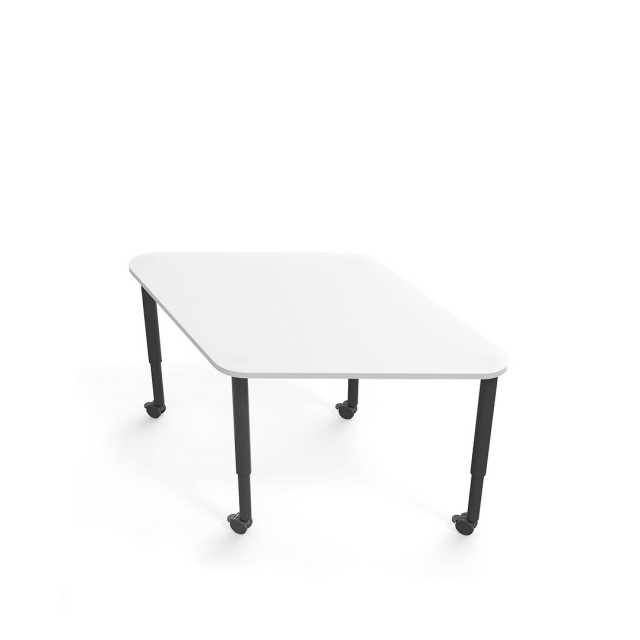
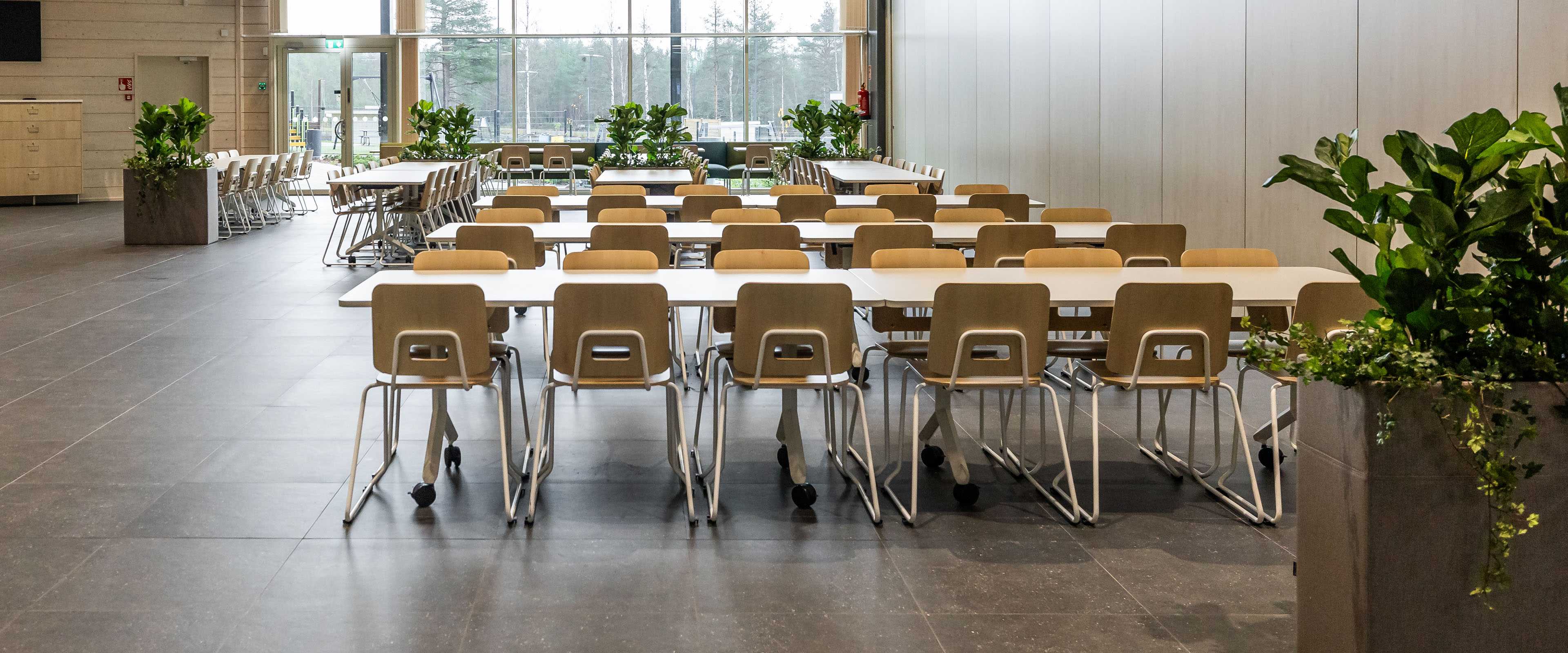
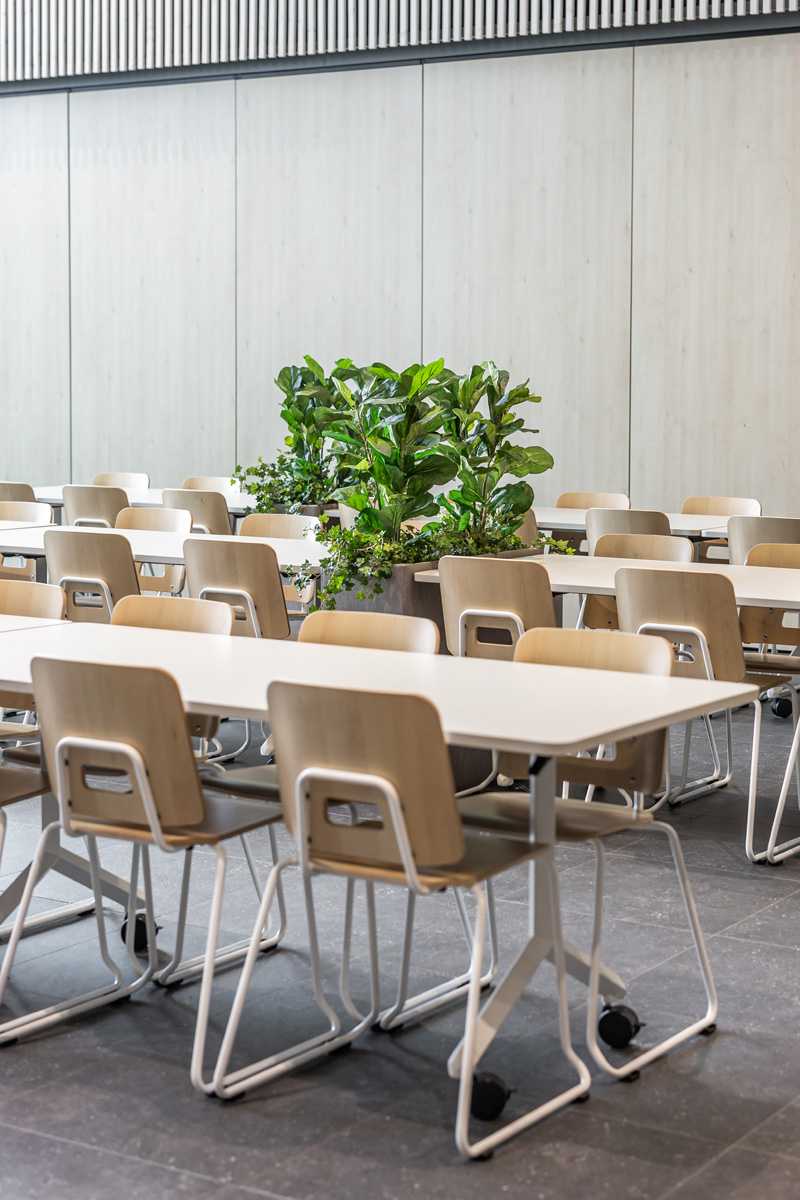
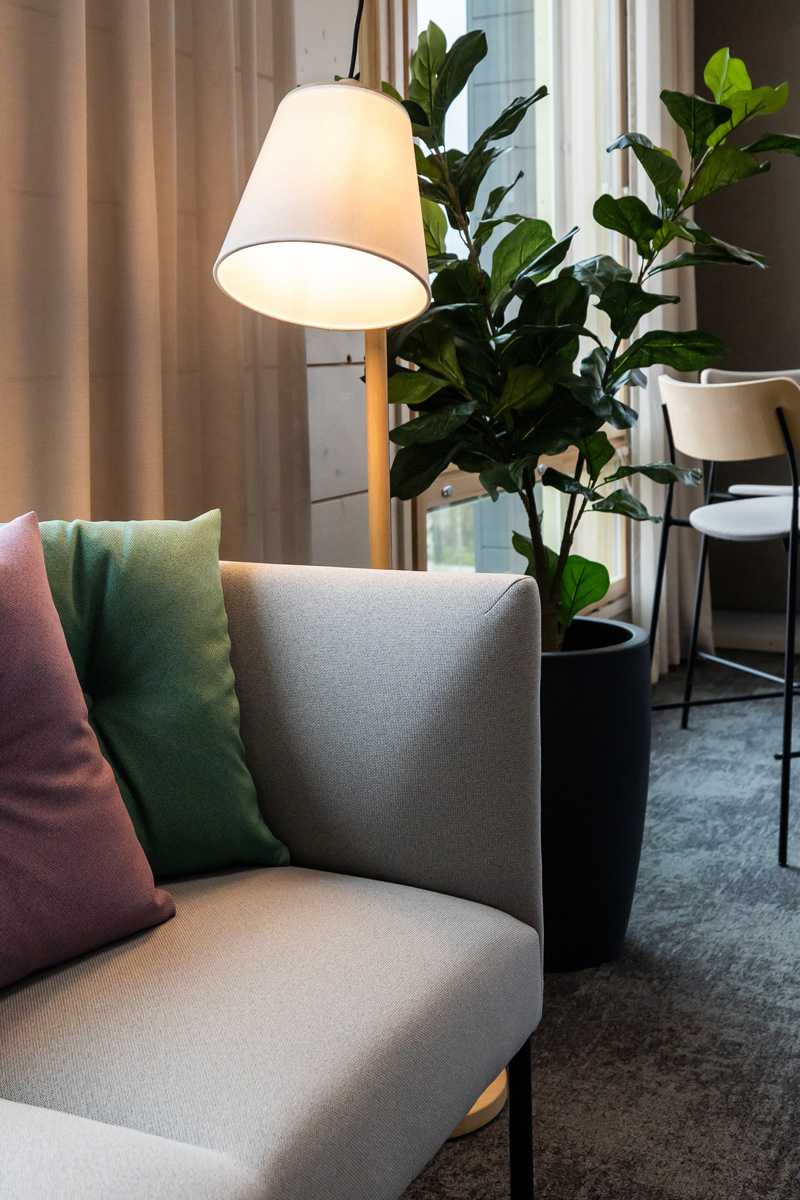
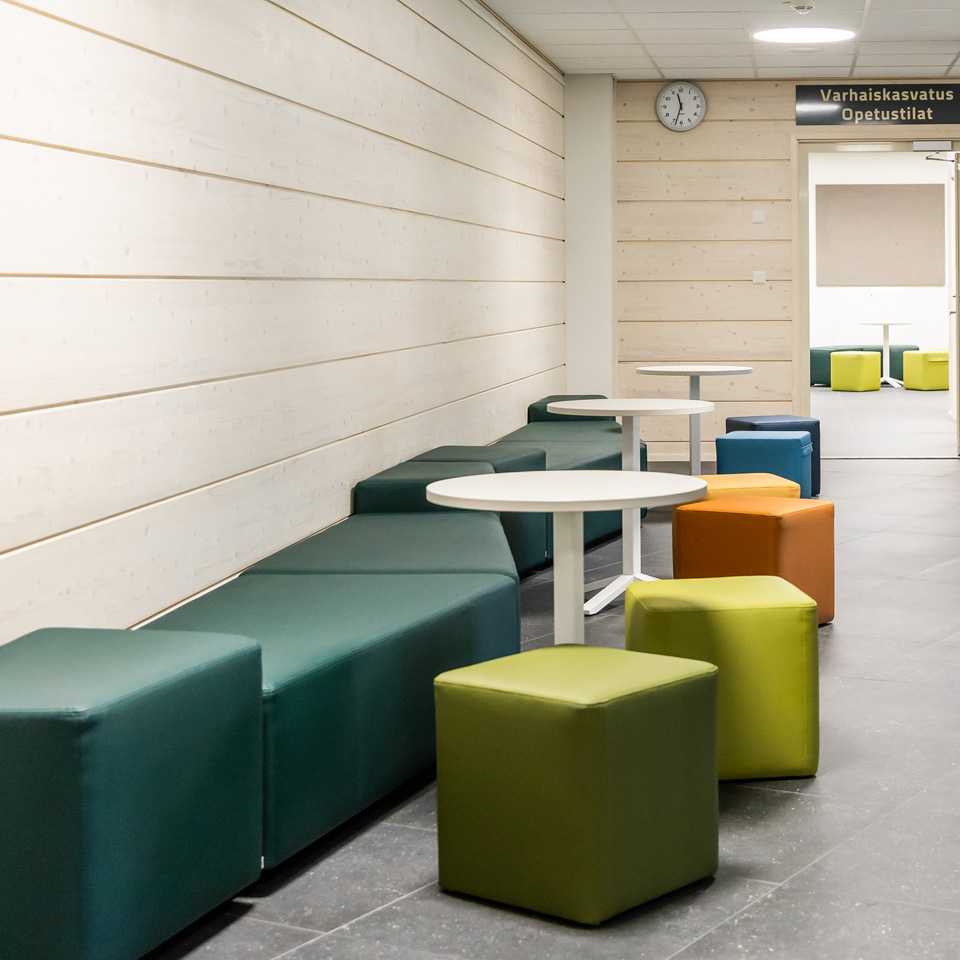
The spaces in the Vaaranlampi school are designed to change as needed. The furniture is compatible, easily movable, and adaptable. This means that users can modify their spaces themselves as their everyday lives change.
Accessibility was taken into account comprehensively, and responsibility was a consideration throughout the project. Some of the existing furniture was reused. Martela was responsible for modifying, installing, and recycling the furniture, and the circular economy was also incorporated into the children's everyday lives.
- User involvement (surveys and workshops)
- Interior and furniture design
- Delivery and installation of loose furniture
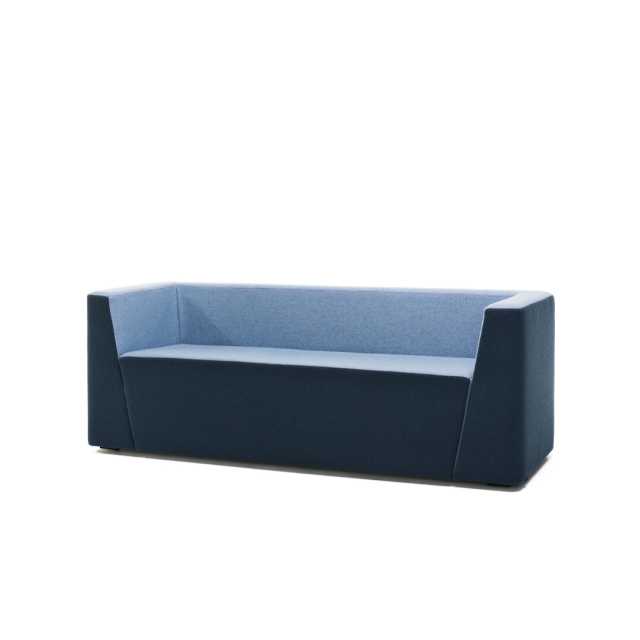
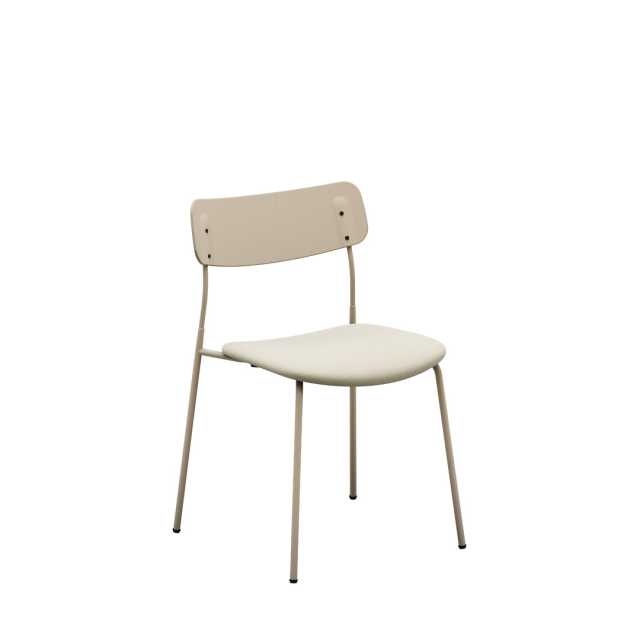
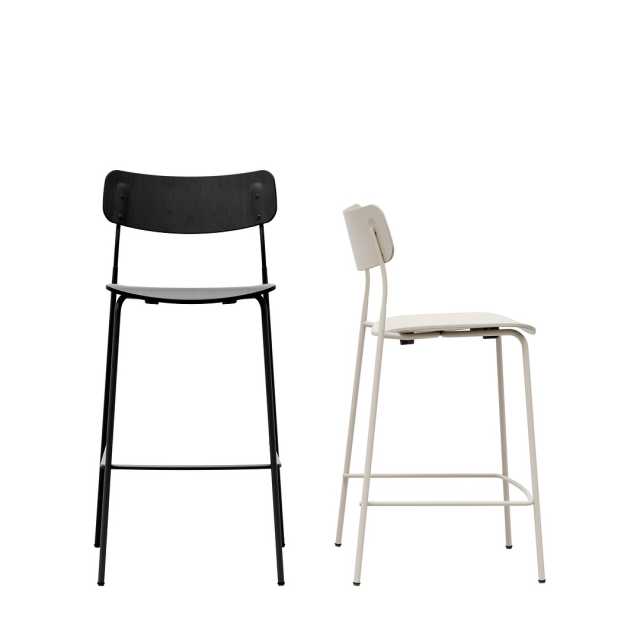
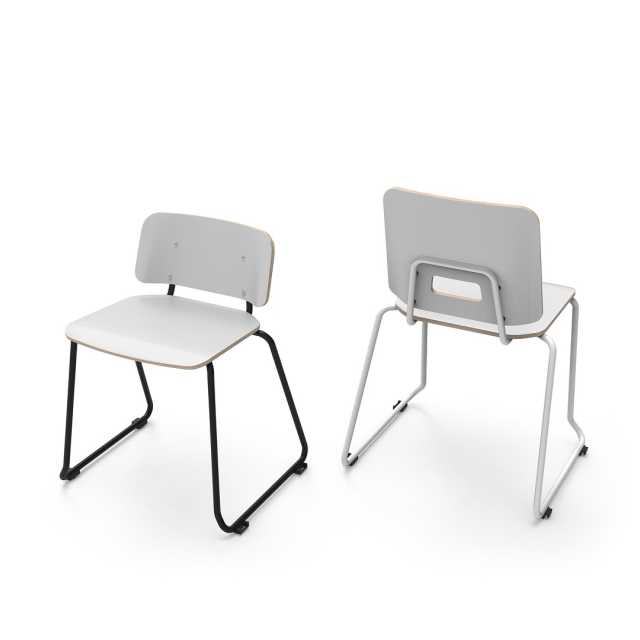
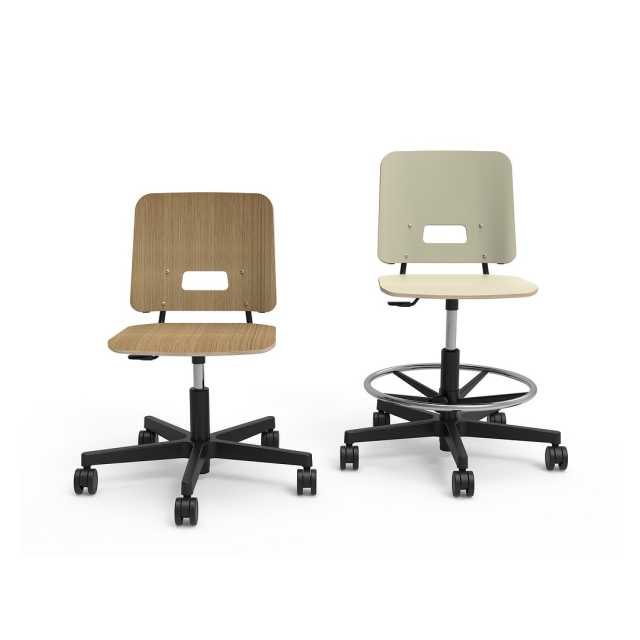
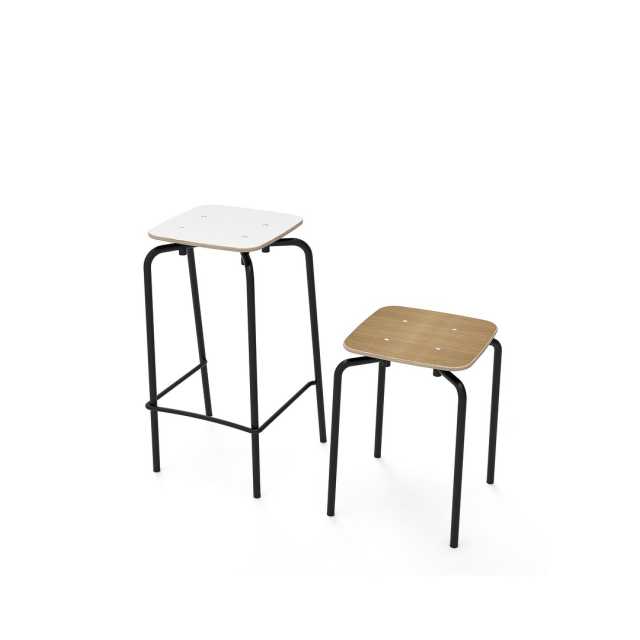
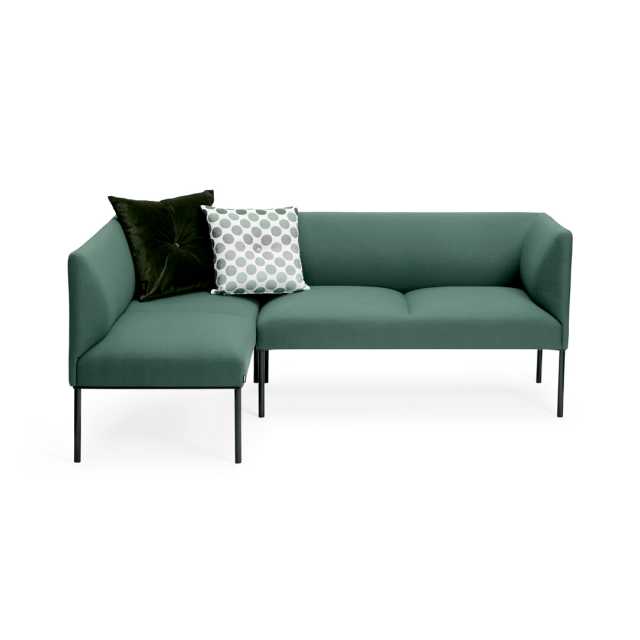
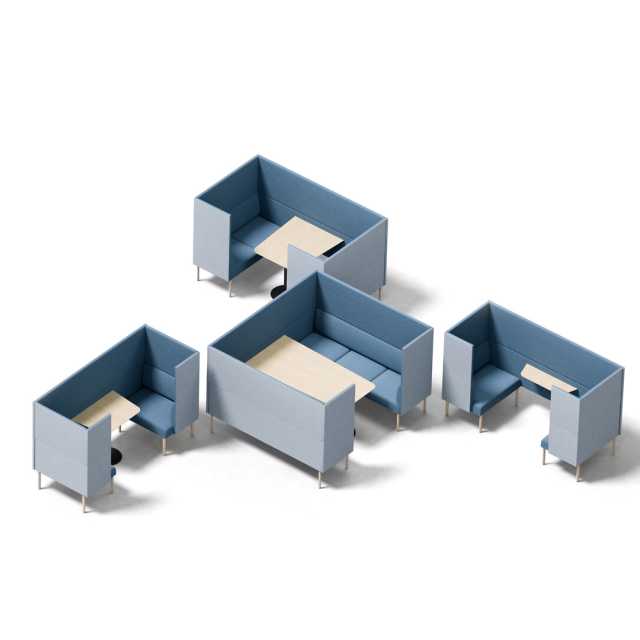
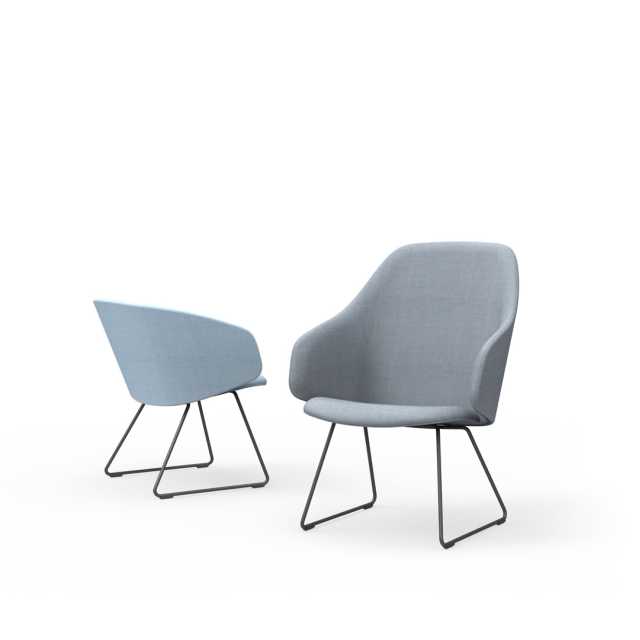
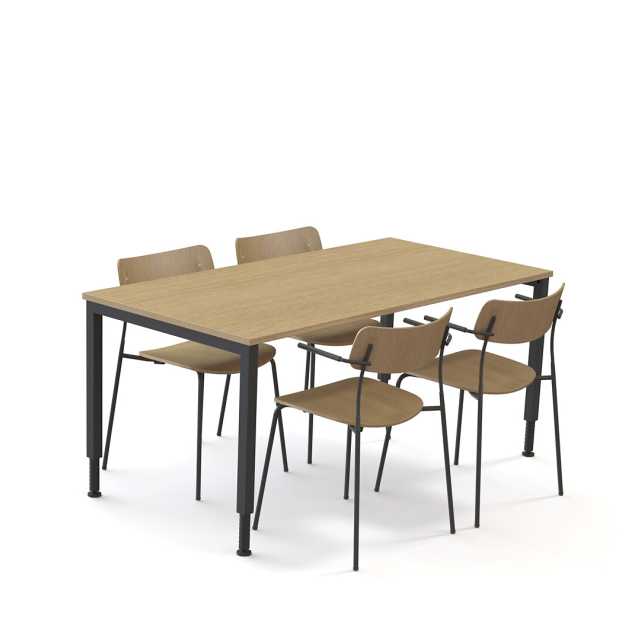
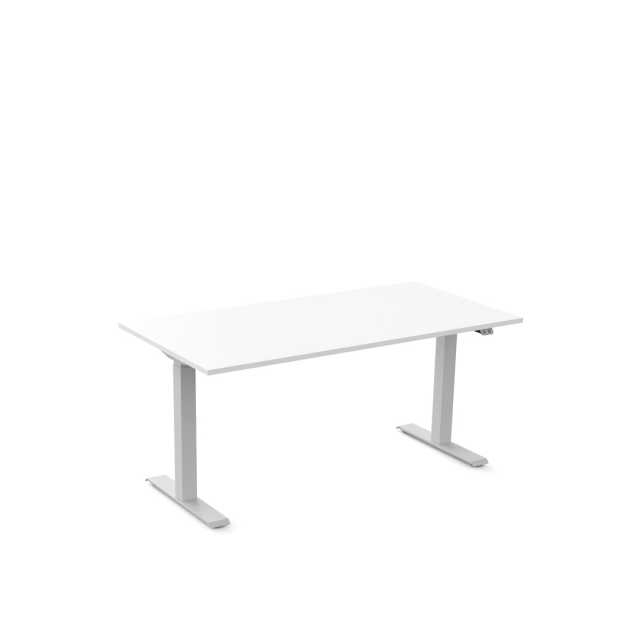
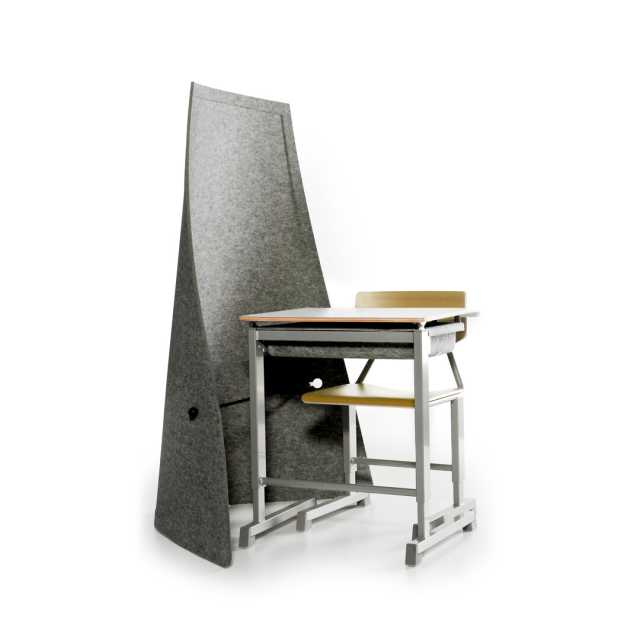
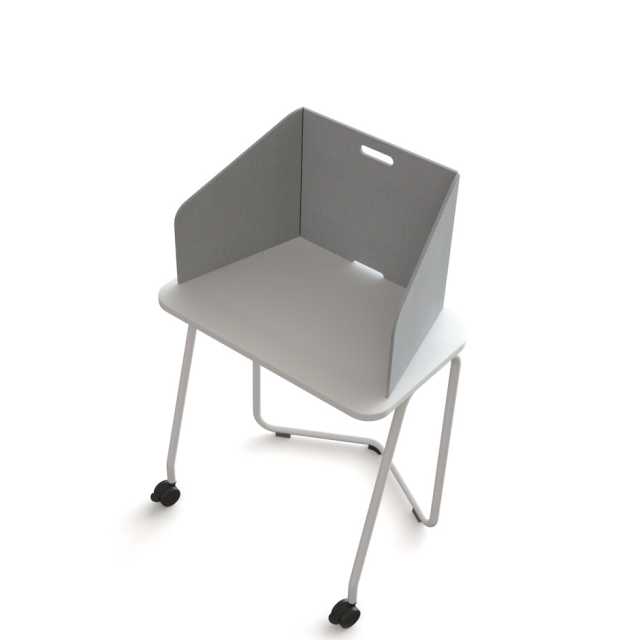
- Flexible and child-friendly furniture solutions
- Utilization, relocation, and recycling of existing furniture
“Children’s voices are truly heard in these spaces”
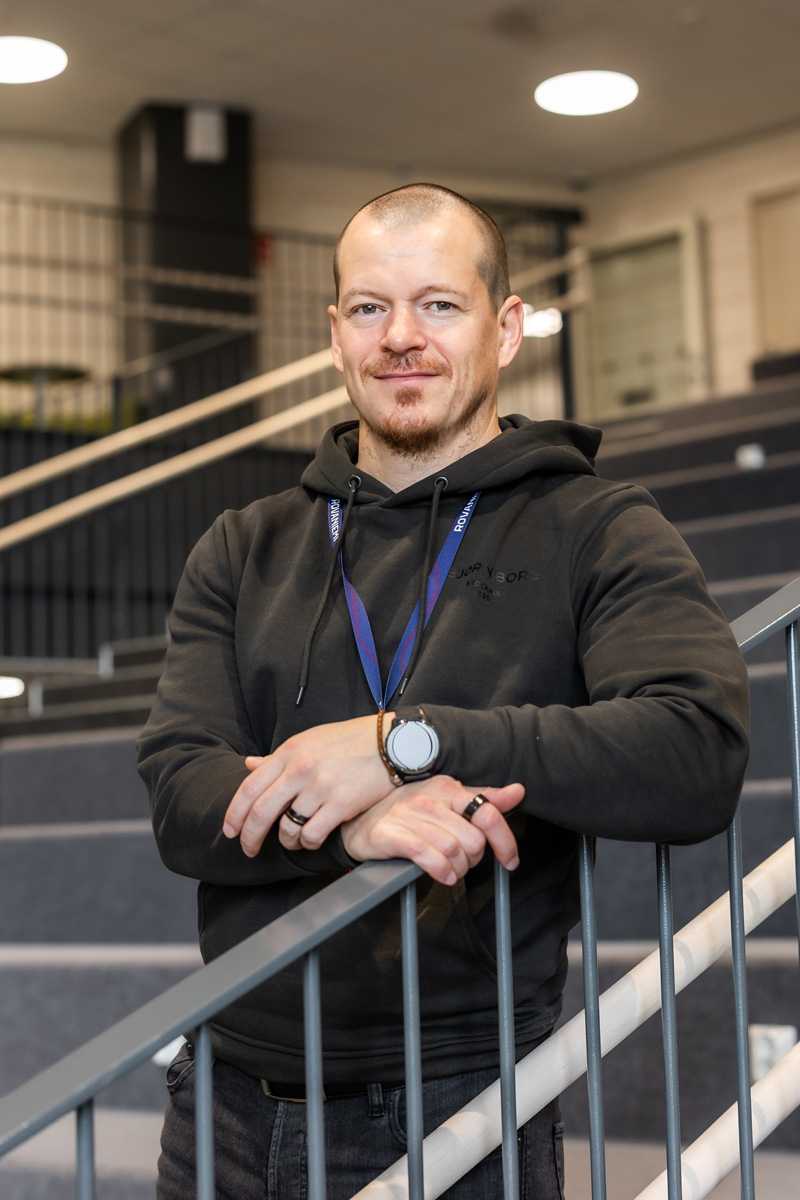
“We wanted to do this project together, genuinely. It was important that the children and student body were involved in the planning and that their voices were reflected in the final result. Now we have spaces that are part of everyday life – and where children's voices are truly heard."
— Sami Oinas, Principal, Vaaranlampi School
Vaaranlampi school is an example of how careful planning, participation, and adaptable furniture solutions create an environment where learning, well-being, and community go hand in hand.